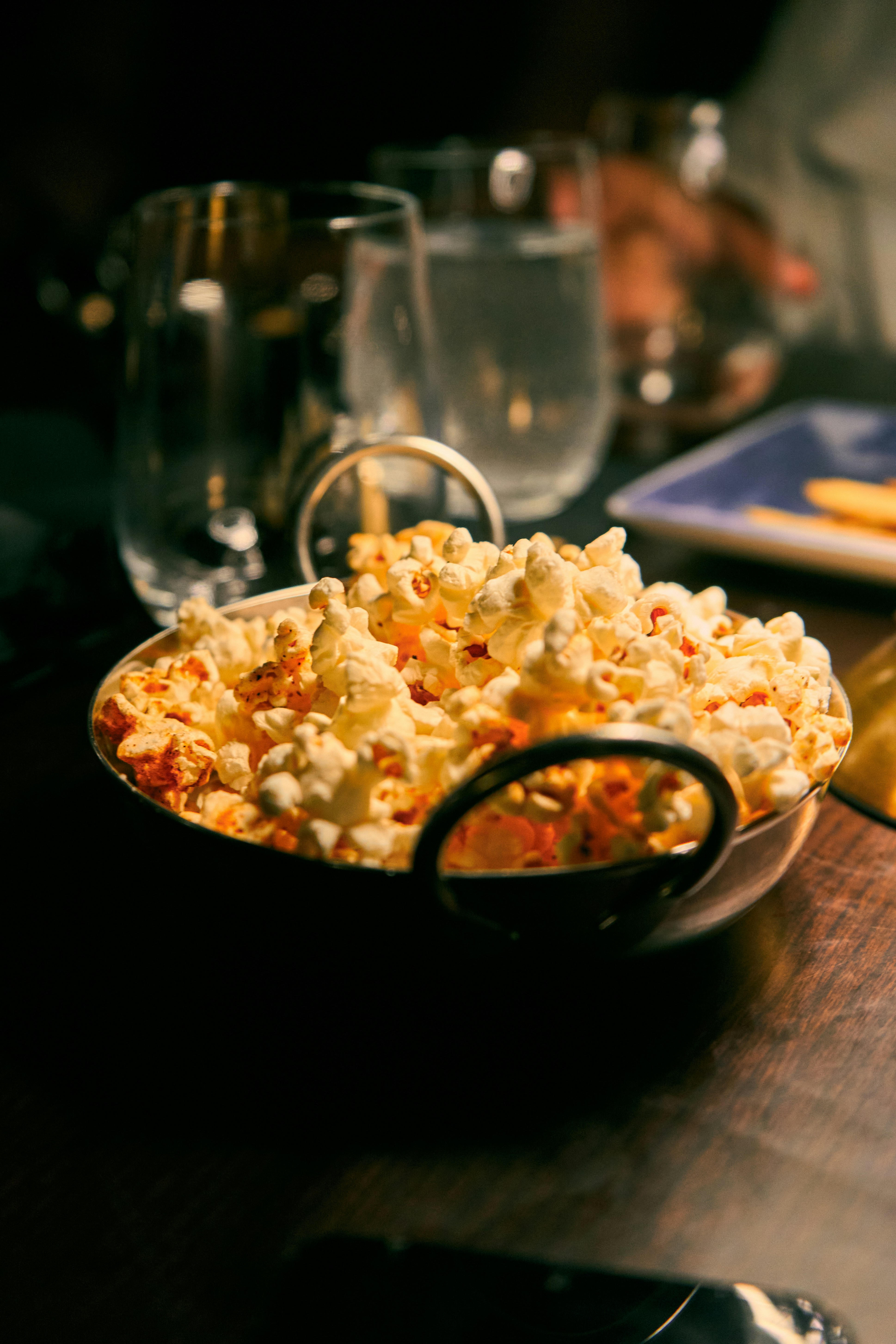
There is a version of nutrition advice that treats food entirely as input. Macros, micronutrients, caloric density, optimization. Eating becomes a logistics problem and enjoying it becomes almost beside the point.
I spent time in that version of thinking. It did not make me healthier. It made eating feel like a task and meals feel like transactions.
The shift that actually changed things was much simpler than any protocol I had tried: I started letting myself enjoy food again without attaching a story to it about whether I should.
What happens when eating stops being enjoyable
When you remove enjoyment from eating — either through restriction, through tracking everything, or through treating every meal as a health decision — a few things tend to happen.
You stop paying attention to how food actually makes you feel because you are too busy evaluating whether you ate the right things. You start to see certain foods as rewards and others as failures which creates a cycle that has nothing to do with nutrition. And the act of eating, which is something you do multiple times every day for your entire life, starts to feel like something to get through rather than something to experience.
None of that is healthy in any meaningful sense.
The baking Sunday
I bake sometimes on Sundays. Not because it fits a meal plan, not because homemade bread is more nutritious than bought bread, just because I like doing it. The smell of something in the oven, the process of making something with my hands, the way the afternoon feels slower when there is something baking.
I used to feel vaguely guilty about this. Baking felt indulgent in a way that didn’t fit whatever approach to eating I was following at the time.
At some point I stopped caring. The Sunday baking stayed. And what I noticed is that on the days I bake, my relationship with food for the rest of the day is better. I’m more relaxed about eating, less likely to overeat later, more satisfied in a way that goes beyond whatever I actually made.
Enjoyment does something to how we eat that optimization cannot replicate.
The research actually supports this
Eating food you enjoy in a relaxed state produces different physiological responses than eating the same food while stressed or guilty. Digestion is better. Satiety signals work more accurately. The body processes food differently when the nervous system is not in a stress response.
This is not an argument for eating whatever you want with no attention to nutrition. It is an argument for the fact that how you eat is part of the nutrition conversation, not separate from it.
A meal you ate slowly and enjoyed probably did more for you than the same meal eaten fast while scrolling through something that stressed you out.
What taking a moment for yourself looks like with food
It does not have to be elaborate. It looks like making something you actually wanted rather than something you thought you should have. It looks like sitting down for a meal without a screen instead of eating lunch while working. It looks like baking on a Sunday afternoon because you felt like it. It looks like ordering the thing you actually want at a restaurant instead of the thing that feels safest.
Small moments where eating is something you are actually present for rather than something happening while you do something else.
The thing worth holding onto
Enjoying food is not a failure of discipline. It is part of a healthy relationship with eating. The people who eat well over a lifetime are not usually the ones who were strictest with themselves — they are the ones who found a way to eat that felt sustainable and included genuine enjoyment.
Taking a moment every day for something you like should include meals sometimes. Not every meal. Just some of them.
That is allowed.
The Sunday I baked and ate most of what came out of the oven while it was still warm was not a nutrition failure. It was a very good Sunday.
Free for Collective subscribers
The 90-Day Content Blueprint
The exact planning framework I use to map out a full quarter of content — pillars, topics, repurposing, and tracking. Free for Collective subscribers.
No spam. Unsubscribe anytime.